After the Seizure Banner: What Ransomware Takedowns Like Operation Cronos Actually Deliver
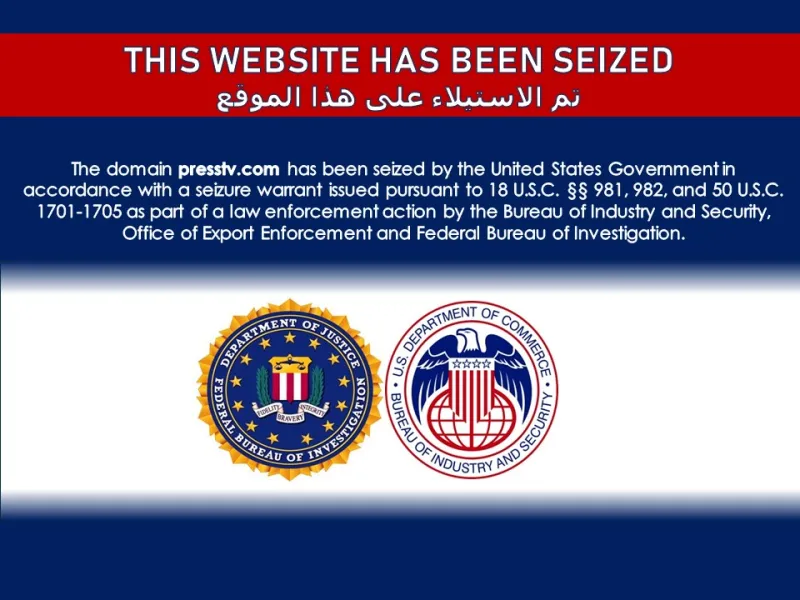
Photo: United States Department of Commerce and FBI, Public domain, via Wikimedia Commons
In February 2024, visitors to the leak site of LockBit — then the world's most prolific ransomware-as-a-service operation — were greeted with something unexpected. In place of the usual gallery of stolen corporate data sat a seizure notice, complete with the logos of the FBI, the UK's National Crime Agency, and the Europol-coordinated coalition behind it. The operation, dubbed Operation Cronos, was the most visible strike yet in a years-long campaign by Western law enforcement to dismantle the criminal enterprises behind ransomware.
It was not the first, and it will not be the last. That raises a question worth asking without the press-release gloss: when the banners go up and the servers go dark, what has actually been accomplished?
Anatomy of a Modern Takedown
The contemporary takedown is a layered affair, and the public-facing seizure page is only its most theatrical component.
Behind the scenes, investigators typically spend months — sometimes years — mapping infrastructure: the servers that host victim-shaming leak sites, the negotiation portals where extortion chats unfold, the cryptocurrency wallets that collect ransoms. When the hammer falls, several things can happen at once. Infrastructure is seized or rendered inoperable. In some cases, authorities quietly obtain the gang's own tools; during Operation Cronos, investigators were reported to have accessed LockBit's builder and source code, and the Justice Department later disclosed it had recovered thousands of decryption keys, allowing some victims to restore their files without paying.
Arrests and sanctions form the second layer. International operations have produced indictments and takedowns spanning Eastern Europe, Russia's periphery, and beyond — though the core leadership of most major gangs remains safely inside jurisdictions that do not extradite to the United States. The Treasury Department's Office of Foreign Assets Control has meanwhile sanctioned individuals and the financial intermediaries around them, squeezing their ability to move money through the mainstream financial system.
The third layer is psychological. Leaked internal communications, unmasked affiliates, and — in one notable episode involving the gang behind the 2021 Colonial Pipeline attack — the apparent disappearance of the operation after pressure from Washington all signal to criminals that anonymity is leakier than advertised.
The Disruption Debate
Security researchers are divided, roughly, into two camps on what this all adds up to.
The optimists point to measurable friction. Takedowns force rebrands, and rebrands cost time: rebuilding infrastructure, re-recruiting affiliates, re-establishing trust in an underground economy that runs on reputation. LockBit, for all its defiance after Cronos, never regained its former dominance. Aggregate data from incident-response firms has repeatedly shown that when a major brand collapses, overall ransomware activity in that ecosystem dips before competitors absorb the market. Some victims get their data back for free. Some affiliates, spooked by exposure, retire from the trade.
The skeptics counter that the underlying economics are untouched. The demand for ransomware is structural: it is enormously profitable, the proceeds flow through jurisdictions beyond Western reach, and the labor pool of willing affiliates is deep. Every takedown so far has been followed by succession. LockBit begat successors; the Colonial Pipeline gang's dissolution scattered its affiliates to other brands. From this vantage, takedowns are a game of whack-a-mole played with expensive hammers — they reshuffle the market rather than shrink it, and the disruption is real but temporary.
Both camps are probably partly right. The honest assessment is that takedowns impose costs and buy time, but they do not, by themselves, end the ransomware era. That would require attacking the enabling conditions: the cryptocurrency laundering pipelines, the safe-haven jurisdictions, and the market of vulnerable victims.
What It Means for American Businesses and Households
For the US audience reading the headlines, three practical takeaways cut through the noise.
First, do not count on law enforcement to rescue your data. Seizures occasionally yield decryption keys, but that is a fortunate byproduct, not a plan. Organizations that survived ransomware incidents well almost always did so because of fundamentals: offline or immutable backups, tested incident-response procedures, multi-factor authentication, and prompt patching of internet-facing systems.
Second, understand the affiliate model. Ransomware gangs are franchises, and their affiliates buy access to networks — often through stolen credentials, compromised VPN appliances, or phishing. The entry points are mundane, which means the defenses are too. The unglamorous hygiene that protects a mid-sized manufacturer in Ohio is the same hygiene that starves the takedown economy of victims.
Third, read the seizure banners correctly. They are declarations of progress, not declarations of victory. Each operation degrades a specific threat, and that matters — but the threat landscape as a whole reconstitutes. Resilience, not the news cycle, remains the variable that individual Americans and the organizations they work for actually control.
The takedown economy will keep producing dramatic images: seized servers, sanctioned wallets, indictments with Russian names read aloud in Washington. Treat them as useful weather reports on a persistent storm — informative, occasionally encouraging, and never a substitute for reinforcing your own roof.