Under the Hood of the Connected Home: Which Smart Devices Talk the Most, and to Whom
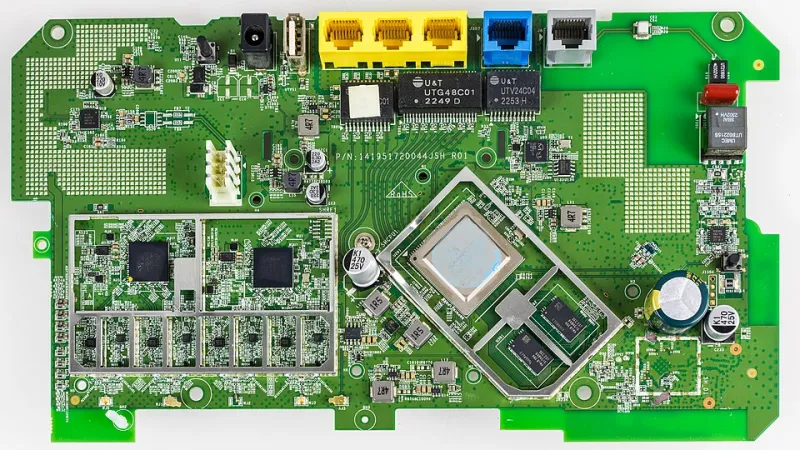
Photo: Raimond Spekking, CC BY-SA 4.0, via Wikimedia Commons
The modern smart home produces a second, invisible household — a parallel record of when you're home, what you watch, when the lights turn on, and how often packages arrive at your door. None of it requires a microphone to be secretly listening. It happens through ordinary, disclosed, and almost universally ignored telemetry.
Security researchers have been documenting this traffic for years, and the pattern is consistent enough to rank device categories by how much they phone home. Understanding that ranking is the first step toward a home network that works for you rather than for an advertising ecosystem.
The Chatty Categories, Ranked
Smart TVs are the undisputed champions. Automatic Content Recognition (ACR) technology, built into sets from virtually every major manufacturer, captures a fingerprint of whatever is on screen — streaming shows, cable, even over-the-air broadcasts and video game menus — and sends it to the manufacturer, where it may be shared with analytics partners. The 2017 Vizio settlement with the FTC and state attorneys general established that viewing data sold without disclosure is a privacy violation; the practice itself, once disclosed, remains standard across the industry.
Video doorbells and security cameras rank high for a different reason: the sensitivity of what they capture. Footage timestamps reveal schedules, and clips of sidewalks and streets can sweep in neighbors and passersby who never consented to recording. Ring's disclosure in 2022 that it had shared footage with law enforcement without user notice in some emergency cases crystallized how little control owners sometimes have over their own devices.
Voice assistants occupy a middle ground — their wake-word detection runs locally, but recorded audio is routinely reviewed by human contractors for quality purposes, a practice revealed in 2019 through leaked recordings of Alexa interactions.
Smart plugs, thermostats, and light bulbs are the quietest category, though not silent. Their telemetry is mostly operational — energy use, firmware checks, device status — but energy signatures from a smart plug can still indicate which appliances run in your home and when.
How Whispers Become a Profile
No single device tells a stranger much. The concern is aggregation. A TV that logs viewing habits, a doorbell that logs arrivals, and a thermostat that logs occupancy can be combined — through shared advertising identifiers, common analytics SDKs, or data broker partnerships — into a household profile of considerable precision. This is the same dossier economy described in data broker reporting: fragments, individually trivial, becoming something substantial when stitched together.
Practical Defenses, from Easiest to Most Involved
Turn off the worst settings first. Every major TV brand has an ACR or "viewing data" toggle buried in settings menus — usually under Privacy or Terms. Disable it. Same for "personalized advertising" and voice data sharing options on speakers. This single step eliminates the bulk of the most invasive traffic.
Segregate your network. Most consumer routers from Eero, Google Nest, TP-Link, and Asus support a guest network or IoT VLAN. Put every smart device on the isolated segment and keep your laptops, phones, and files on the main one. If a smart plug is ever compromised, the attacker's reach stops at the device.
Restrict outbound traffic. Advanced users can enable DNS filtering (Pi-hole or a router-level service like NextDNS) and watch the query log for a week. The volume of telemetry endpoints a single TV contacts is genuinely surprising — and blocking them rarely breaks anything a casual viewer would notice.
Buy deliberately. Look for devices that process data locally, publish transparency reports, or carry independent certifications like the Matter standard's security baseline or Mozilla's Privacy Not Included reviews.
The Takeaway
The connected home isn't surveillance by villainy — it's surveillance by default, driven by business models that treat behavioral data as a revenue line. Default settings are written for the manufacturer's benefit, not yours. An hour with your router and settings menus won't make your home invisible, but it converts a one-way data pipeline into something closer to a negotiation. In 2025, that's about as good as the smart-home bargain gets — and it's well worth taking.