Patched in Principle, Locked in Practice: The Hidden Security Cost of Repair Restrictions
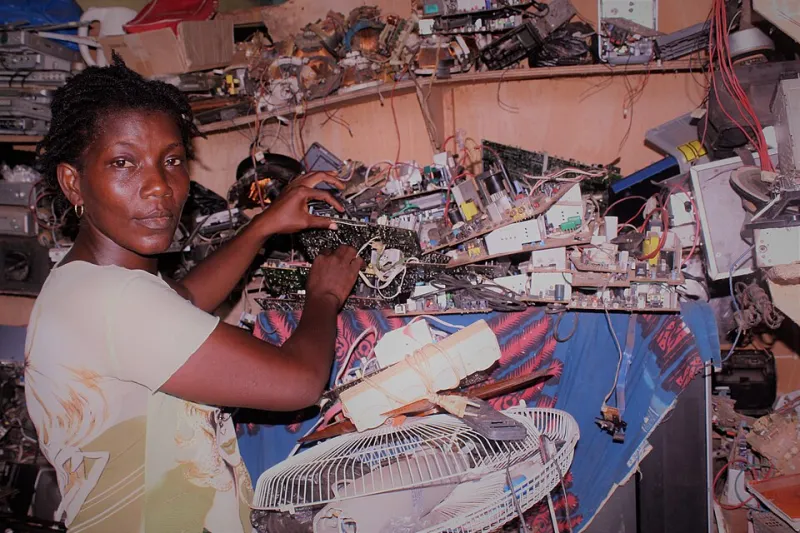
Photo: Metchyves, CC BY-SA 4.0, via Wikimedia Commons
A cracked phone screen is an inconvenience. A refrigerator that stops receiving security updates because its control board can only be replaced by the manufacturer is something else entirely: a small, internet-connected computer sitting on a home network with no lawful path to remediation.
For years, the right-to-repair debate in the United States has been framed as a consumer-cost issue — cheaper fixes, less e-waste, more competition. But security researchers increasingly describe a second, quieter casualty: the integrity of the devices themselves. When repair is restricted, so is maintenance. And when maintenance is restricted, vulnerabilities linger.
The Pairing Problem
Modern hardware increasingly relies on "parts pairing" — cryptographic locks that tie components to a specific device serial number. Swap in a third-party display, battery, or logic board, and the device may degrade functionality, nag its owner with warnings, or refuse to operate at all.
Manufacturers argue this protects users: pairing prevents counterfeit parts, preserves biometric security, and deters tampering with sensors that handle sensitive data. Critics counter that the same mechanism concentrates repair power in the manufacturer's hands and, critically, can block firmware updates when unauthorized components are detected.
A researcher who studies embedded-device security described the dilemma this way: an owner with a paired, out-of-warranty device may face a repair quote exceeding the product's value. The rational choice is to keep using it — unpatched, unmonitored, and connected.
The Firmware Gap
The problem is most acute at the edges of the product lifecycle. Phones typically receive five to seven years of updates; laptops and appliances often far fewer, or the update commitments are vague. After that window closes, a device's software ages in place.
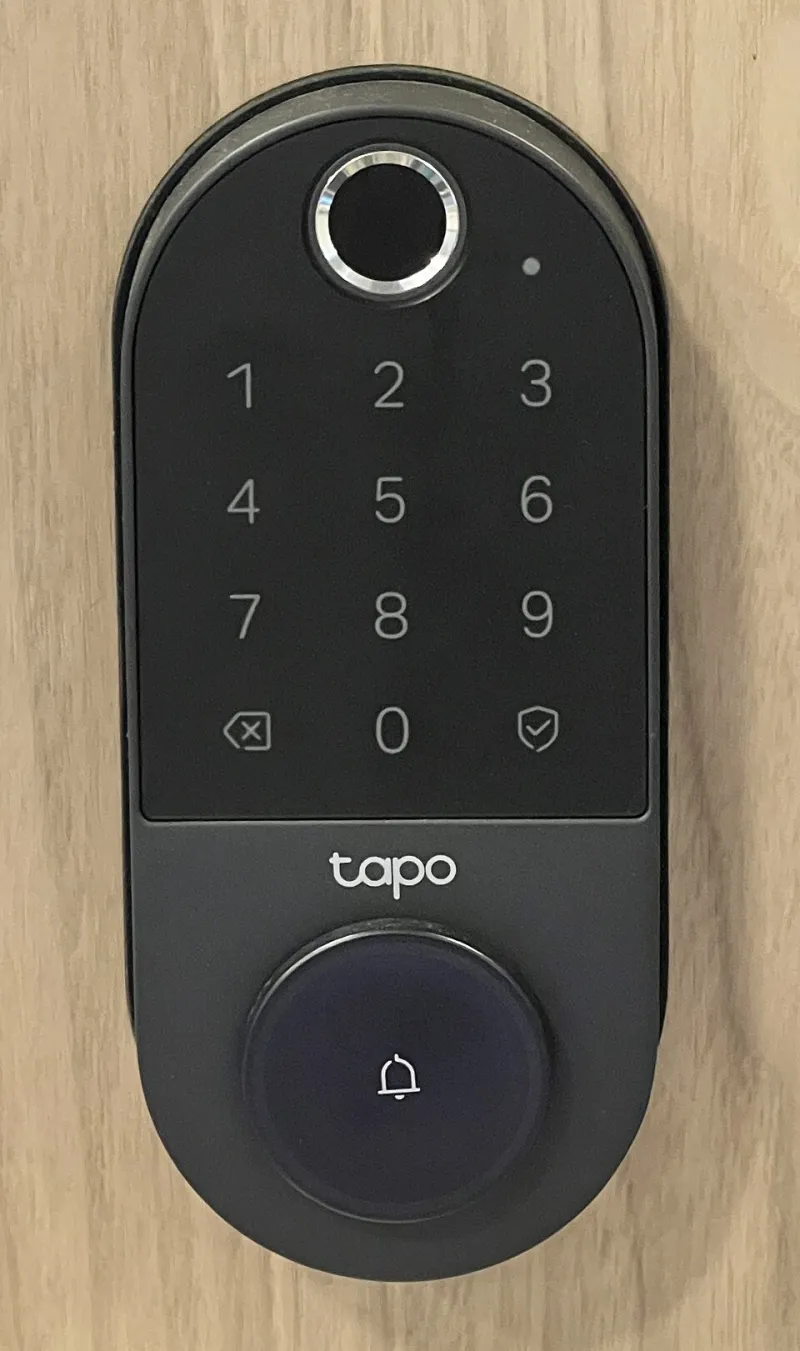
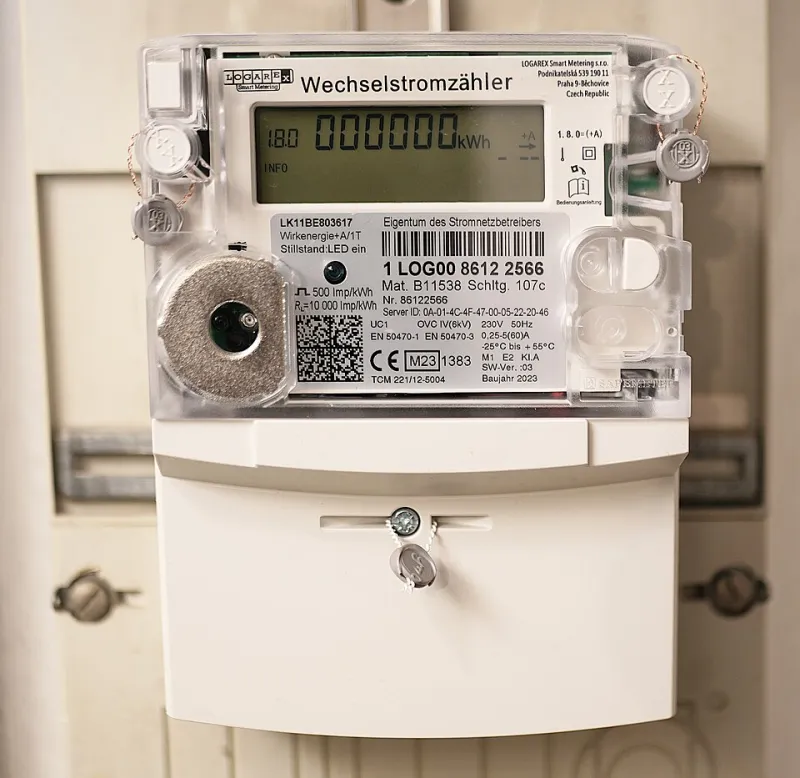
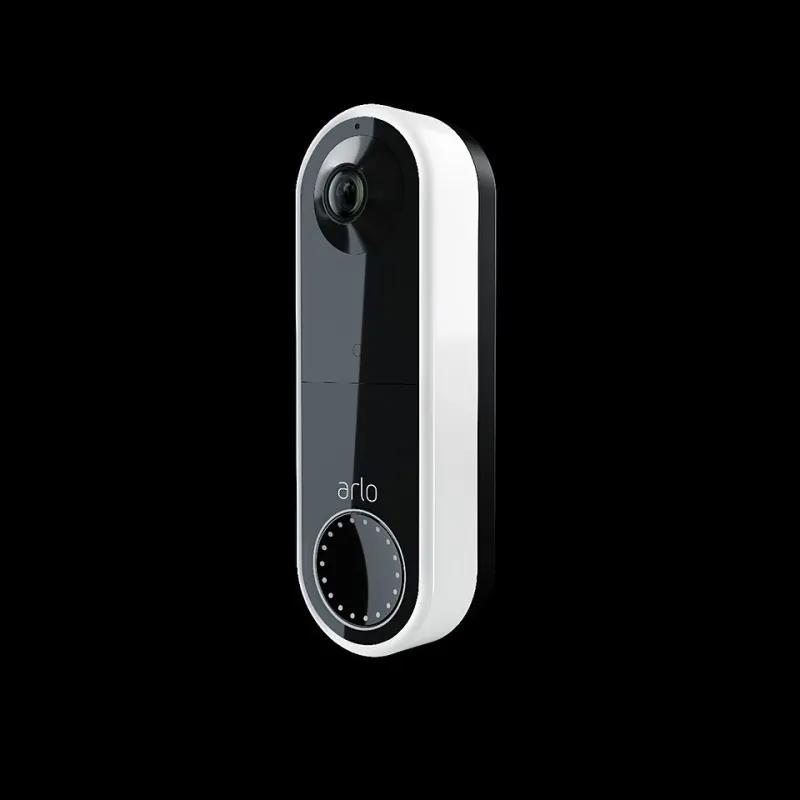
For a disconnected appliance, that might be tolerable. But the modern American home is full of networked hardware: thermostats, doorbell cameras, washers with Wi-Fi modules, televisions with microphones. Each is a potential entry point. Independent technicians — the people who might otherwise keep these devices alive and current — are often legally and technically locked out of the diagnostic tools needed to do so safely.
The result is a growing population of devices that are neither secure nor disposable, held together by owners who have no sanctioned way to fix them.
The Legislative Wave
Statehouses have begun to respond. Colorado, Minnesota, California, New York, and Oregon have all enacted right-to-repair statutes covering categories from wheelchairs to consumer electronics, and Oregon's law went further than most by explicitly restricting parts pairing on new devices sold after 2025. Federal proposals have surfaced repeatedly in Congress, though none has yet cleared both chambers.
Industry response has been mixed. Some manufacturers have expanded self-repair programs and parts availability; others continue to lobby against broader mandates, citing safety and cybersecurity risks of open repair ecosystems. Privacy advocates note the irony: the security argument is being deployed on both sides, by companies seeking to lock hardware down and by researchers arguing that lockouts create the very exposure they claim to prevent.
Are Repairability and Security the Same Fight?
Not exactly — but they overlap more than either side's rhetoric suggests. Security done well requires timely patches, transparent update policies, and hardware that remains serviceable across its useful life. Repairability done well requires documentation, available parts, and diagnostics that don't require a manufacturer's blessing.
A device can be repairable and insecure, or locked-down and well-maintained. But in practice, the two agendas converge on the same demand: that owners retain meaningful control over the hardware they purchased, including the ability to keep it running — and patched — for as long as they choose to use it.
What Consumers Can Do Now
Until the legal landscape settles, a few practical habits reduce exposure:
- Check the update policy before you buy. A manufacturer's stated support window is now as important as the spec sheet.
- Segment smart devices on your home network. A separate guest or IoT network limits what a forgotten appliance can reach.
- Retire what you can't patch. A networked device past its support window is a liability, not a keepsake. Disconnect it or replace it.
- Document failures. Reports to state attorneys general and the FTC have shaped past enforcement actions; patterns matter.
The right-to-repair movement began as an argument about money and ownership. It has become, quietly, an argument about security — and one that an increasing number of researchers believe American households cannot afford to lose.