The Key That Isn't Yours: Smart Locks, Landlords, and the Fine Print of Renting in 2025
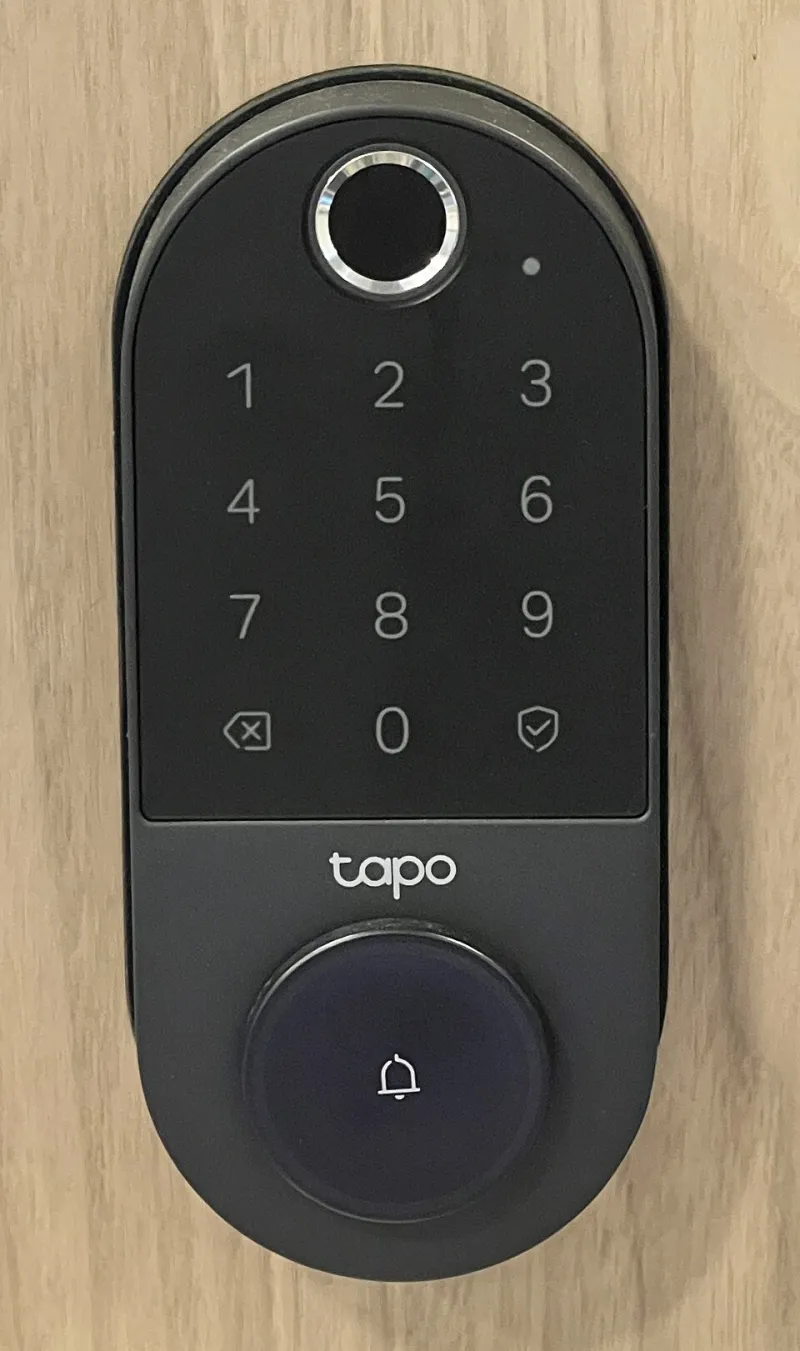
Photo: TaurusEmerald, CC BY-SA 4.0, via Wikimedia Commons
The brass deadbolt above your doormat is slowly becoming a relic. Across apartment complexes in Texas, Georgia, and Washington State, property managers are replacing traditional keys with Bluetooth-enabled smart locks, keypad entry systems, and app-based access platforms. For tenants, the pitch is convenience: no more lockouts, no more waiting for a maintenance visit. But buried in that convenience is a question most renters never think to ask until it matters — who actually controls the lock on your front door?
The Digital Landlord Is Watching the Door
Modern rental access systems are rarely simple remote controls. Commercial platforms used by US property management companies typically record an entry log: who unlocked the door, when, and by what method. Some integrate with building-wide networks that tie access events to unit numbers, lease terms, and even payment status.
This means every trip to the gym at midnight or every late return from work can generate a data point tied to your identity. Privacy policies for these platforms — often accepted through a tenant app without negotiation — frequently grant the vendor broad rights to store and process that data, and in some cases to share it with the property owner or, under legal compulsion, with law enforcement.
Unlike a consumer smart lock you buy for your own home, a rental system is not yours to configure, update, or delete. You are, in effect, a guest on someone else's security infrastructure.
When the Master Account Becomes the Attack Surface
A physical key can be copied by a bad locksmith. A compromised landlord account can be far worse.
Property managers often hold administrative credentials capable of creating, revoking, or duplicating digital access across dozens or hundreds of units. If those credentials are phished, reused from a breached site, or simply never rotated after a staff departure, an intruder could grant themselves entry to any unit on the property — without leaving a scratch on the door frame.
There is precedent for concern. Credential-stuffing attacks against property technology vendors have been documented in cybersecurity reporting, and access logs that go unaudited for months can conceal unauthorized entries entirely. Unlike a forced door, a digital unlock looks like any other unlock.
Renters should also consider what happens after they move out. If access revocation depends on a manual process — a manager remembering to delete a tenant profile — a former resident's app credentials may quietly continue to work.
What the Lease Usually Doesn't Say
Standard lease agreements in most states were written for metal keys. They rarely address smart locks at all, leaving a gap that tenants fall into unknowingly. Before signing — or when a property announces a lock upgrade mid-lease — there are reasonable, ordinary questions worth putting in writing:
- Which company operates the lock system, and what is its stated data-retention period for entry logs?
- Who can view or export access history, and is any of it shared with third parties?
- What happens to your access profile and recorded data when the lease ends?
- Is there a physical key or mechanical override available in the event of an outage or system failure?
- How are the landlord's administrative credentials protected — and are they protected by more than a password?
None of these questions are adversarial. Landlords have legitimate interests in security and liability, and a property that documents its access practices is generally a safer one to live in.
A Practical Checklist for the Connected Renter
Tenants are not powerless here. A few habits reduce risk considerably:
Use a unique, strong password for the tenant app, and enable multi-factor authentication if the platform offers it. If the app is tied to your phone number, review what recovery options exist.
Read the vendor's privacy policy once, slowly. You will not negotiate it, but you can at least know what you agreed to — particularly around data sharing and retention.
Document your move-out. Request written confirmation that your digital access was revoked and ask what happens to your historical entry data.
Keep a mechanical backup plan. Know where the physical override is and test your understanding of the emergency procedure before you need it at 2 a.m.
The Lock Is a Policy Question, Not Just a Hardware One
Smart locks in rentals sit at the intersection of property rights, privacy law, and consumer-grade security — and US regulation has not caught up. Some states have begun examining biometric entry systems in housing, but entry logs, retention practices, and tenant notification standards remain largely a patchwork.
Until that changes, the burden falls on renters to ask questions the lease never thought to answer. A front door is the most basic promise a home makes. Whether it opens with a key or a phone, tenants deserve to know exactly whose hands hold the other side of the lock.